ARTICLE GUIDE
At a Glance
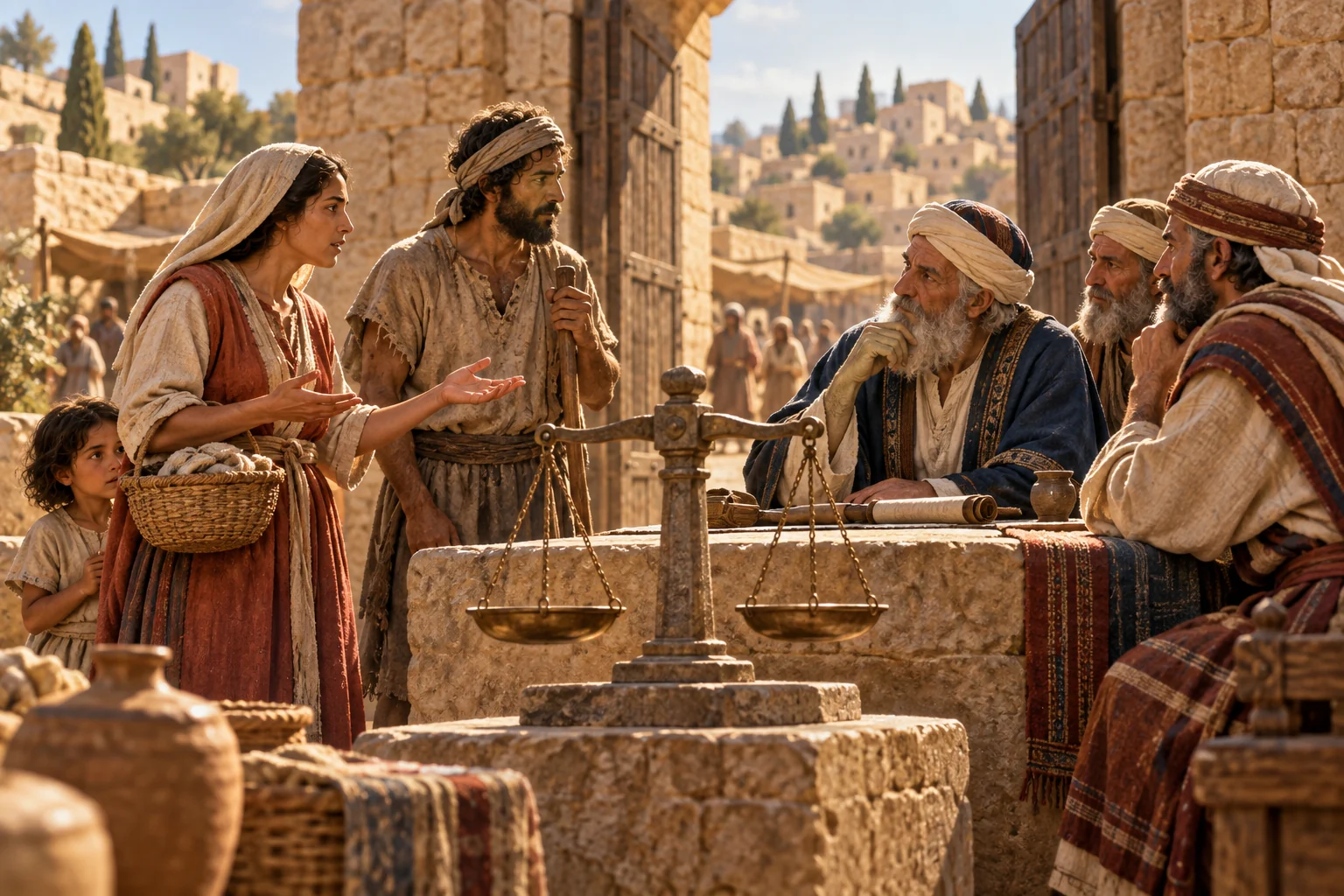
The commentary reads Exodus 21 as the practical application of covenant instruction to domestic, judicial, and economic life. Its case laws follow Israel's deliverance and the Decalogue, so obligation is located within an existing relationship of redemption rather than treated as the purchase price of freedom.
How do Exodus 21's case laws serve a redeemed people?
The commentary reads Exodus 21 as the practical application of covenant instruction to domestic, judicial, and economic life. Its case laws follow Israel's deliverance and the Decalogue, so obligation is located within an existing relationship of redemption rather than treated as the purchase price of freedom.
The study considers debt-servitude, bodily injury, proportional justice, and negligence within the ancient Near Eastern setting. It argues that the chapter directs Israel toward protection of vulnerable people and responsible community life, then traces its ethical concerns toward Messiah and the new covenant.
Key Claims
- Exodus 21 opens the civil case-law material of the Book of the Covenant.
- The laws are addressed to a people already delivered from bondage.
- Debt-servitude and household arrangements are read within their ancient legal setting.
- Proportional justice connects liability with bodily integrity and responsibility.
- The commentary follows covenant instruction toward Spirit-enabled communal faithfulness.
Interpretive Context
The chapter uses conditional legal forms familiar from other ancient Near Eastern collections. The commentary compares those forms while emphasizing the theological setting of Israel's vocation as a priest-nation.
The guide summarizes the article's interpretation of difficult legal passages. Its canonical approach connects the chapter with the Decalogue and Messiah without treating every ancient social arrangement as a modern policy prescription.
Primary Textual Anchors
- Exodus 19:4–6 — redemption and priest-nation vocation.
- Exodus 20:1–17 — the Decalogue preceding the case laws.
- Exodus 21:1–11 — debt-servitude and household protections.
- Exodus 21:12–27 — offenses, injury, and proportional justice.
- Exodus 21:28–36 — negligence and liability.
Scripture Connections
Exodus 19:4–6; 20:1–17; 21:1–36; Genesis 3:15; Jeremiah 31:31–34.
Related Guides
- The Genesis 5 Genealogy within the Promise-Plan: A Biblical-Theological and Philological Critique
- Genesis 21: An Exegetical and Biblical-Theological Commentary
- The Hellenistic Matrix and the Word Made Greek
Continue on Substack
Read the complete article on Substack, with Watch and Listen resources where available.
Leave a Reply