ARTICLE GUIDE
At a Glance
Western systematic theology frequently lacks a coherent theological anthropology grounded in the biblical text. Post-biblical philosophical systems, Greek analytical categories, and Enlightenment rationalism have imposed external frameworks that obscure Scripture’s organic and supernatural structure.
Read moreShow less
What This Study Explores
Imago Dei • Theological Anthropology
Direct Answer: Is the image of God a human ability that can be diminished or lost?
No. Scripture presents the image as a divinely conferred royal-priestly identity and vocation shared by embodied humanity, not a score based on intelligence, independence, speech, memory, or productivity. Capacities can be impaired without reducing a person’s God-given dignity.
Humans are installed as living representatives within God’s ordered creation. Sin distorts the exercise of that vocation but does not erase the image; Christ embodies faithful humanity and restores image-bearers toward their intended communal and cosmic calling.
Key Claims
- The Hebrew terms for image and likeness emphasize representation and correspondence rather than a detachable faculty.
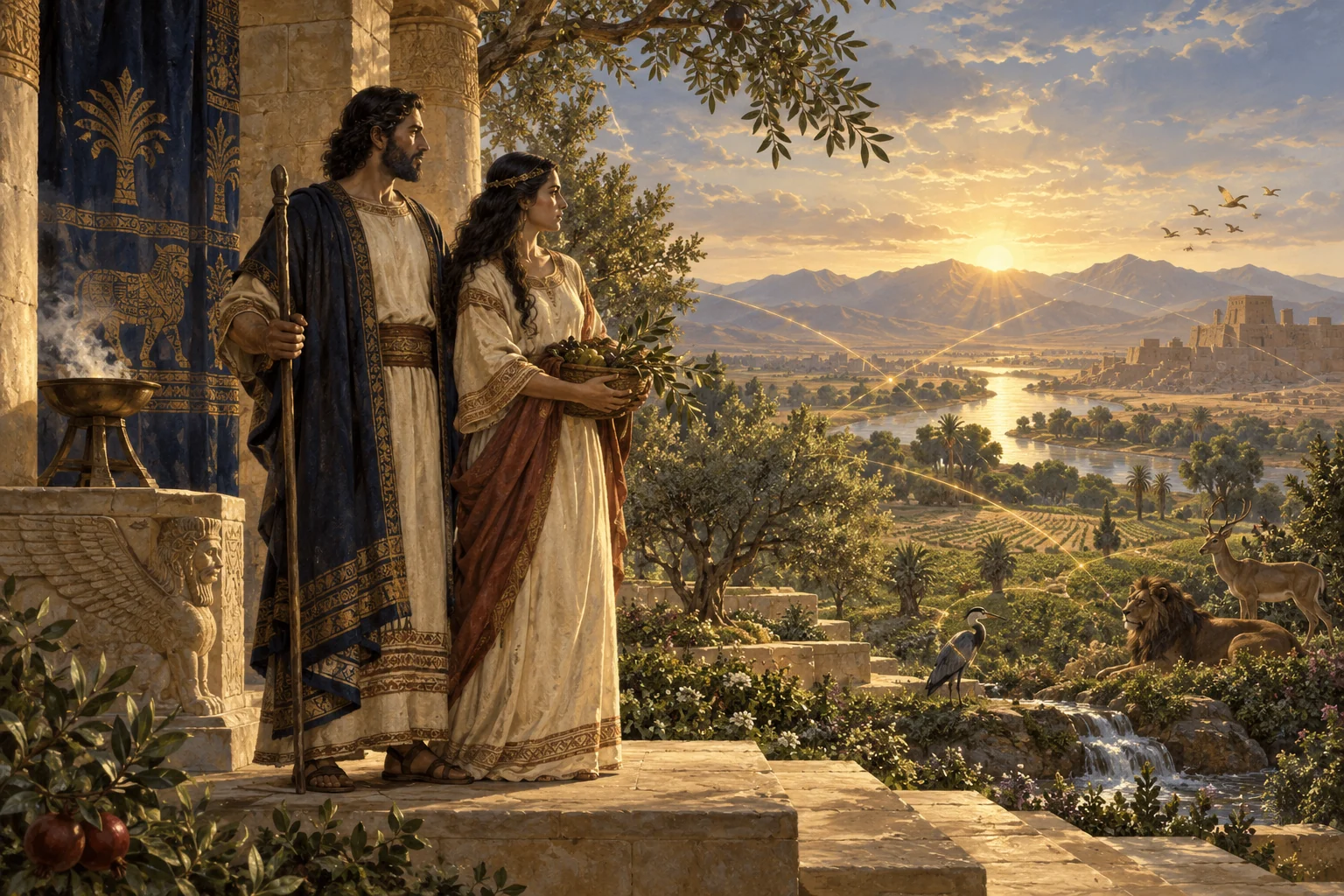
- Genesis locates image-bearing within embodied rule, fruitfulness, relationality, and stewardship in sacred space.
- Capacity-based definitions risk grading human worth according to performance or cognitive function.
- Idols are lifeless counterfeit images, while human beings are living representatives commissioned by the Creator.
- Christ is the definitive image of God and the pattern of restored humanity in the new creation.
Interpretive Context
Royal-functional, relational, structural, and vocational models need not be mutually exclusive, but no model should make dignity depend upon presently exercisable abilities. The article’s temple imagery is a canonical synthesis intended to illuminate Genesis, not replace the text’s historical and literary particulars.
This account also resists both individualism and ableism: image-bearing belongs to humanity as an embodied, relational kind and is expressed through shared royal-priestly service. The New Testament’s Christological language does not replace Genesis but identifies the faithful Image in whom damaged vocation is renewed and the human family is directed toward new creation.
Selected Scholarship
- J. Richard Middleton, The Liberating Image (2005).
- Carmen Joy Imes, Being God’s Image (2023).
- John H. Walton, The Lost World of Genesis One (2009).
- G. K. Beale, The Temple and the Church’s Mission (2004).
- John F. Kilner, Dignity and Destiny (2015).
Scripture Connections
Genesis 1; Genesis 1:26; Genesis 1:27; Genesis 2; Genesis 6; Romans 11; Ephesians 2; Genesis 3
Continue on Substack
The complete article remains on Rabbit Room Apologetics at Substack.
Originally published June 25, 2026. This WordPress page is a discovery guide; the complete article is hosted on Substack.