ARTICLE GUIDE
At a Glance
The systematic theology of the Western Christian tradition has frequently struggled to articulate a coherent theological anthropology because post-biblical philosophical systems, Greek analytical reasoning, and Enlightenment rationalism have imposed external grids that obscure the organic, supernatural architecture of the biblical text.
Read moreShow less
What This Study Explores
Promise-Plan Theology • Imago Dei • Theological Anthropology • Cosmic Temple
Direct Answer: What does it mean for humanity to be the crown of God’s cosmic temple?
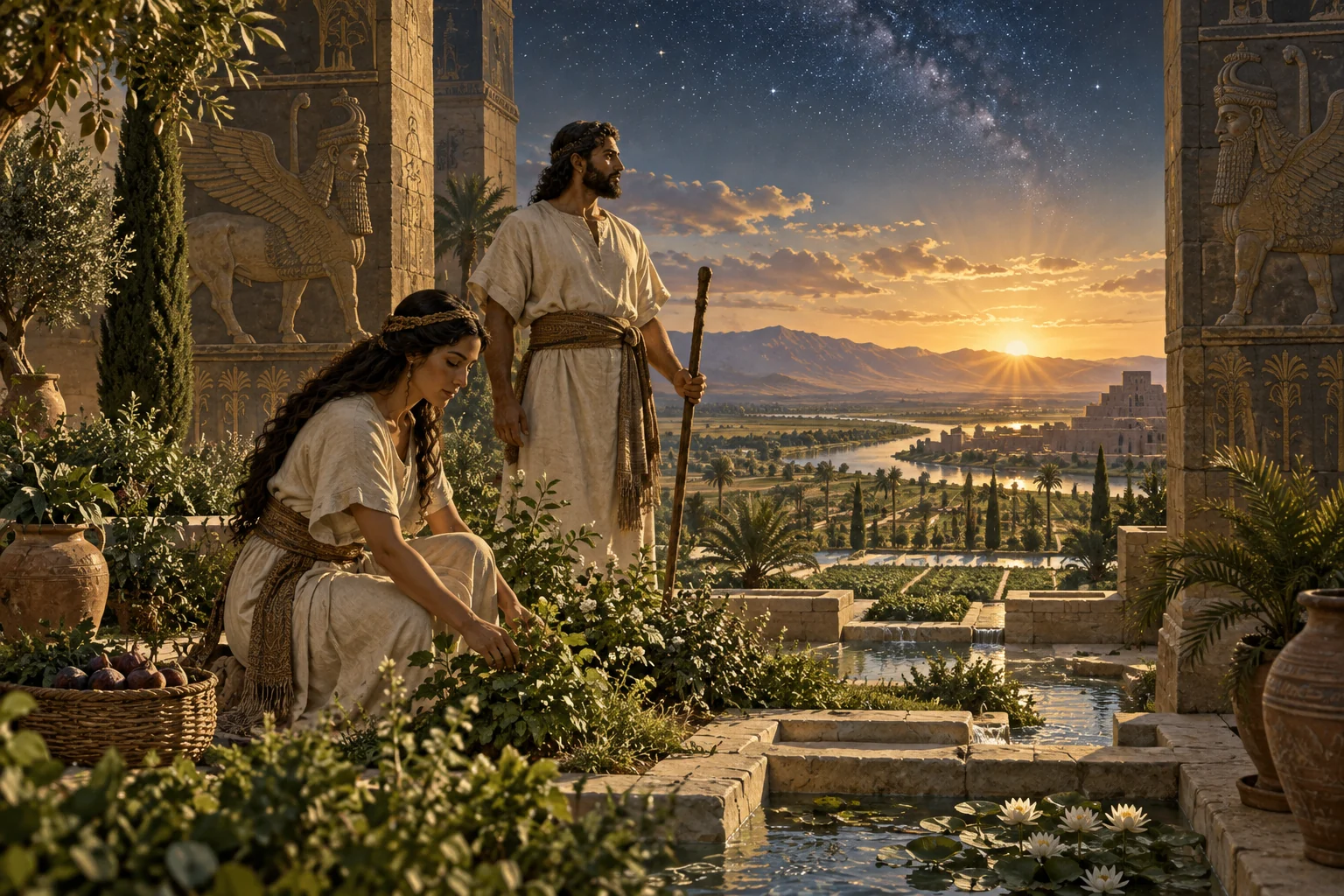
Human beings are installed as God’s living images within creation, bearing an endowed status that does not depend on intelligence, strength, health, or social usefulness. Male and female together represent the Creator’s rule in the world.
This identity carries a royal-priestly vocation: humanity is to cultivate sacred order, guard creation, and extend God’s wise presence. Sin distorts that calling without erasing the image, and Messiah—the true image—restores people for embodied service in the renewed creation.
Key Claims
- The imago Dei is a divine grant of identity and dignity before it is a measurable human capacity.
- Ancient royal-image concepts clarify humanity’s representative commission while Genesis democratizes that status to all people.
- Genesis 1’s dominion mandate must be governed by the Creator’s life-giving character rather than exploitative mastery.
- Genesis 2’s service-and-guarding language contributes priestly dimensions to the human vocation.
- Messianic restoration renews image-bearing and culminates in resurrection and the restored cosmic sanctuary.
Interpretive Context
Ontological, functional, relational, and christological models each identify real features of the biblical witness. Calling the image “ontological” safeguards universal dignity, but it should not turn Genesis into a later metaphysical treatise; calling it “functional” highlights vocation, but it must not make image-bearing disappear when function is impaired. Temple readings of Genesis are substantial canonical syntheses, though individual lexical and ancient-parallel arguments remain debated.
Because image-bearing is conferred rather than achieved, it grounds the equal dignity of male and female, the disabled, the unborn, and those whose capacities diminish. The royal-priestly vocation is damaged but not erased by rebellion, renewed in conformity to Messiah, and completed through bodily resurrection in the restored cosmic temple.
Selected Scholarship
- J. Richard Middleton, The Liberating Image — royal representation and the democratization of image-bearing.
- Carmen Joy Imes, Being God’s Image — status, vocation, embodiment, and the ethics of human representation.
- John H. Walton, The Lost World of Adam and Eve — sacred space and human vocation in ancient context.
- G. K. Beale, The Temple and the Church’s Mission — canonical development of temple and image themes.
- John F. Kilner, Dignity and Destiny — the image of God as the basis of enduring human dignity and eschatological vocation.
Scripture Connections
Genesis 1; Genesis 2; Genesis 1:26–27; Genesis 1:26; Genesis 1:27; Genesis 3; Genesis 5:1–3; Job 1
Continue on Substack
The complete article and its available video material remain on Rabbit Room Apologetics at Substack.
Originally published May 27, 2026. This WordPress page is a discovery guide; the complete article is hosted on Substack.