ARTICLE GUIDE
At a Glance
This study examines the historical evolution of Christian atonement theology, contrasting prevailing Western juridical frameworks— specifically Anselmian satisfaction and Reformed penal substitution— with the ancient Hebraic cognitive environment of the biblical text.
Read moreShow less
What This Study Explores
Atonement
What is the Hebraic logic of substitutionary atonement?
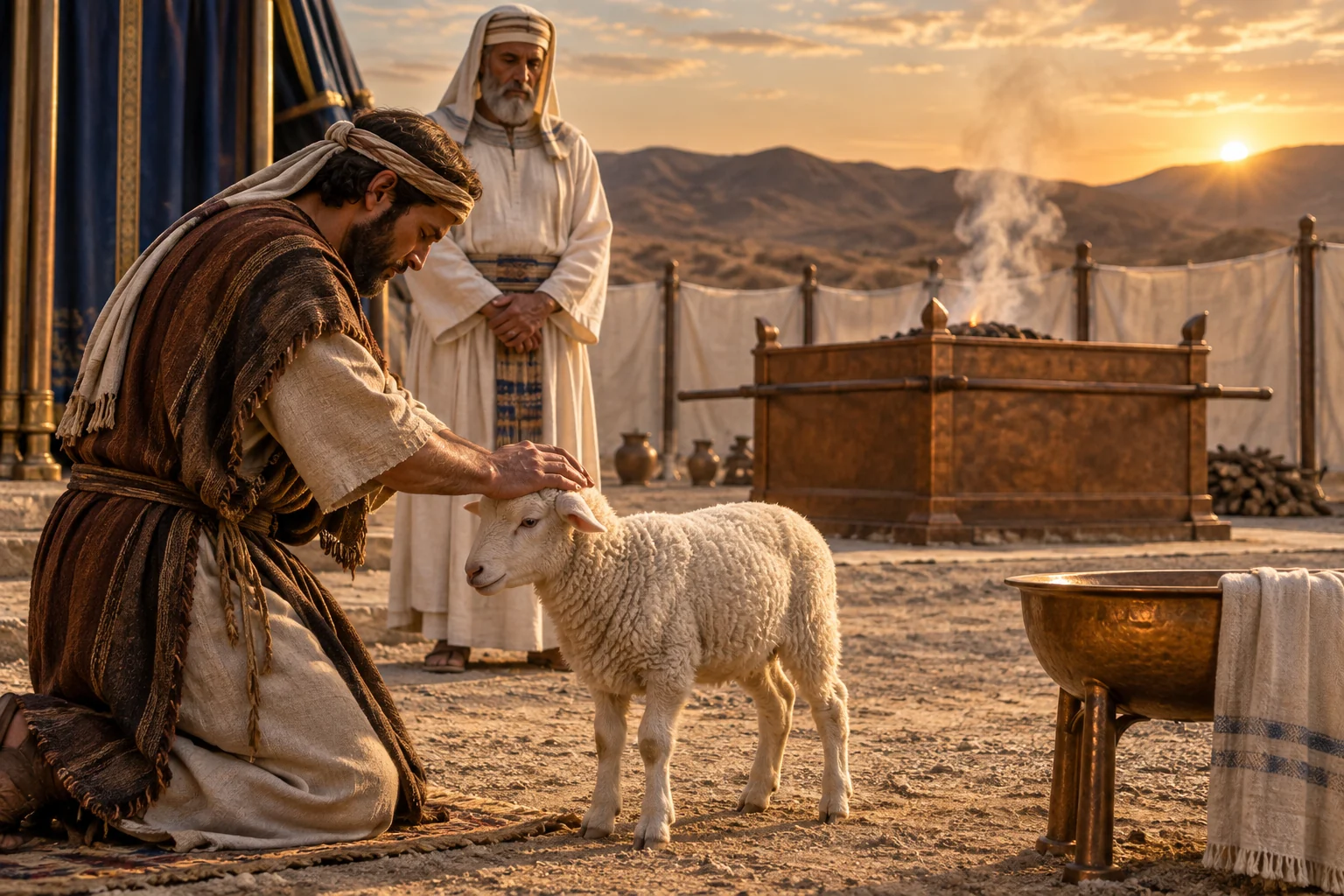
Biblical atonement is a coordinated work of purification, representation, substitution, ransom, and victory. Sacrifice addresses guilt and cleanses the sanctuary from the pollution of sin, while an appointed representative bears judgment so that the covenant people may live.
This framework includes a genuinely judicial dimension but is larger than a modern courtroom model. Jesus fulfills Israel’s sacrificial, priestly, royal, and servant patterns, defeating death and restoring communion with God through his self-offering.
Key Claims
- The Hebrew verb kipper concerns both expiation of guilt and purification from sin’s defilement.
- Levitical sacrifice involves substitution without reducing every offering to penal punishment.
- The representative logic of the one-for-many culminates in Isaiah’s suffering servant.
- Jesus’ blood is interpreted through Passover, covenant, sanctuary, ransom, and Day of Atonement imagery.
- Christus Victor and substitution are complementary: the powers are defeated through the faithful representative’s death and resurrection.
Interpretive Context
Western debates often isolate a single metaphor and then ask it to carry the entire doctrine. The canonical pattern instead layers sacrificial, legal, relational, and royal images, each governed by God’s holiness and covenant faithfulness.
A promise-plan reading traces substitution from the provided sacrifice and Passover lamb through priesthood and servant to the Messiah. The New Testament does not discard this Hebrew grammar; it declares its climactic fulfillment in Christ.
Selected Scholarship
- Jacob Milgrom, Leviticus 1–16
- Gordon J. Wenham, The Book of Leviticus
- Richard E. Averbeck, studies on sacrifice and atonement
- N. T. Wright, The Day the Revolution Began
- Walter C. Kaiser Jr., The Messiah in the Old Testament
Scripture Connections
Acts 21; Genesis 3; Genesis 12; Jeremiah 31; Ezekiel 36; Romans 11; Leviticus 17; Romans 3
Continue on Substack
The complete article remains on Rabbit Room Apologetics at Substack.
Originally published August 23, 2026. This WordPress page is a discovery guide; the complete article is hosted on Substack.