ARTICLE GUIDE
At a Glance
Contemporary biblical scholarship frequently presents the canonical Scriptures as a fragmented compilation of competing theological traditions, contrasting an Old Testament national particularism with a New Testament universalism.
Read moreShow less
What This Study Explores
Promise-Plan Theology • Israel and the Nations
How are Israel and the church related within God’s promise-plan?
Scripture presents one unfolding covenant people rooted in God’s promises to Abraham and Israel, enlarged through Messiah by the grafting-in of Gentiles. The church does not replace Israel, and Gentile inclusion does not create a second redemptive tree.
Unity in Messiah removes hostility and unequal covenant status while preserving differentiated Jewish and Gentile callings. Ethnic Israel remains beloved for the patriarchs’ sake, and the nations share Israel’s nourishing root by grace.
Key Claims
- The Abrahamic covenant joins particular election to blessing for all nations.
- Sinai gives redeemed Israel a royal-priestly vocation rather than a merit-based path to salvation.
- Ephesians 2 makes Gentiles fellow citizens in Israel’s commonwealth through Messiah.
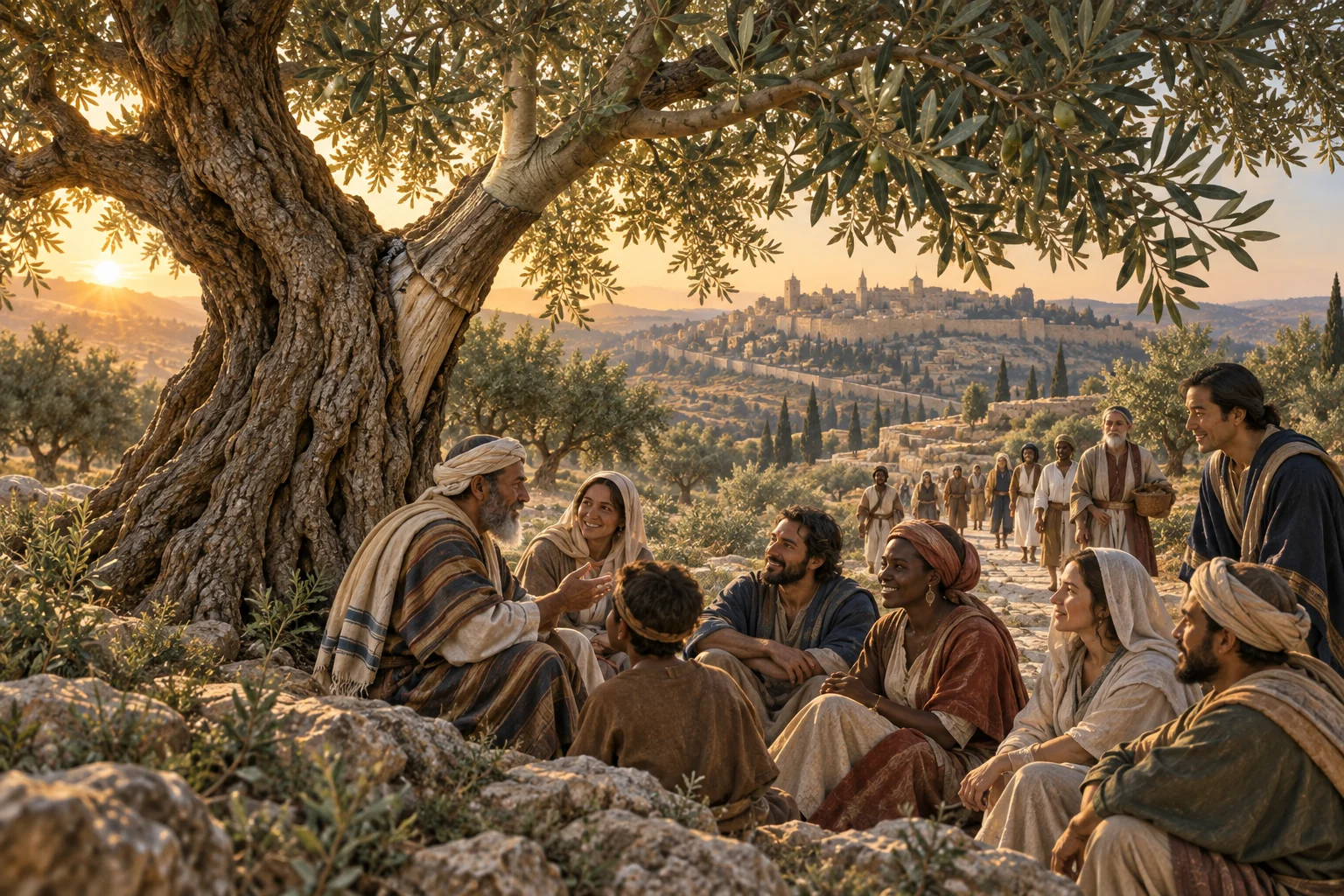
- Romans 11 depicts one cultivated olive tree, warns Gentiles against boasting, and anticipates natural branches’ restoration.
- The “one new humanity” abolishes hostility, not Jewish identity or God’s irrevocable promises.
Interpretive Context
The essay rejects both supersessionism and a rigid two-peoples scheme. Covenant and dispensational frameworks preserve real insights, but neither should override Paul’s own olive-tree and commonwealth imagery.
The promise-plan proceeds organically from Genesis 3:15 through Abraham, Sinai, David, and the new covenant to Messiah. Unity is therefore participatory and non-replacement: the nations are welcomed into a story and root they did not create.
Selected Scholarship
- Walter C. Kaiser Jr., The Promise-Plan of God (2008).
- Mark S. Kinzer, Postmissionary Messianic Judaism (2005).
- David J. Rudolph, A Jew to the Jews (2011).
- J. Brian Tucker, Reading Romans after Supersessionism (2018).
- Michael J. Vlach, Has the Church Replaced Israel? (2010).
Scripture Connections
Exodus 4:22; 2 Samuel 7:19; Isaiah 49; Jeremiah 31; Ezekiel 37; Amos 9; Acts 15; Ephesians 2
Continue on Substack
The complete article remains on Rabbit Room Apologetics at Substack.
Originally published September 2, 2026. This WordPress page is a discovery guide; the complete article is hosted on Substack.