ARTICLE GUIDE
At a Glance
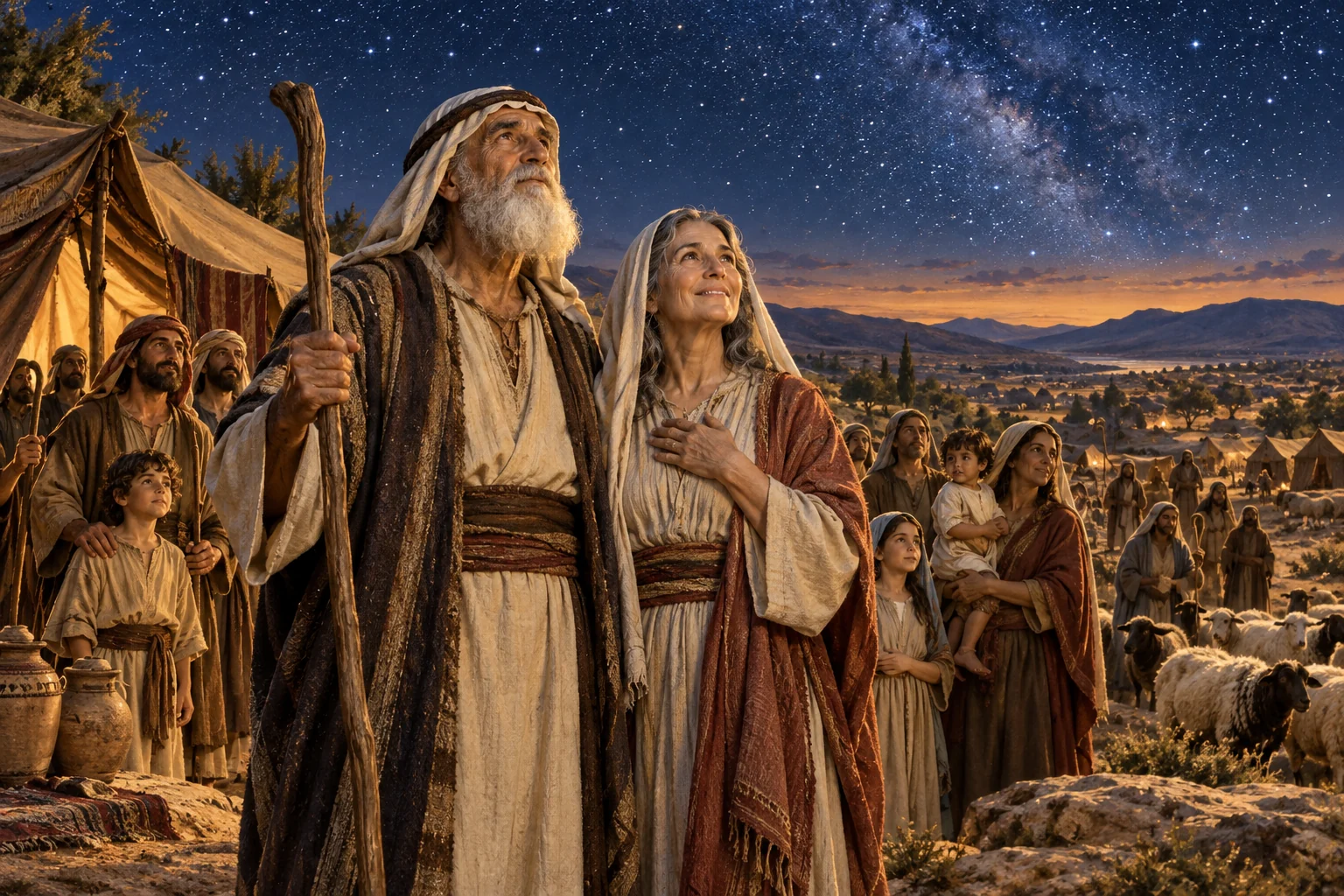
Genesis 17 marks a monumental epochal transition in the progressive unfolding of the divine promise-plan. Following Abram and Sarai’s fleshly attempt to secure an heir through the “Hagar Plan” in Genesis 16, Yahweh condescends to formally reaffirm and significantly expand His covenantal promises.
Read moreShow less
What This Study Explores
Promise-Plan Theology
Direct Answer: Does circumcision create the Abrahamic covenant or mark a covenant God has already established?
It marks and obligates the covenant community; it does not generate God’s promise. Yahweh has already bound himself to Abraham, and Genesis 17 expands that promise through new names, kings, nations, land, and the specific announcement of Isaac.
The sign is embodied and intergenerational, identifying the household with covenant allegiance. Yet the promised son arrives through God’s life-giving power rather than human reproductive strategy, so the sign points beyond “the flesh” to divine provision.
Key Claims
- El Shaddai calls Abraham to walk before God in covenant integrity.
- The names Abraham and Sarah interpret their expanded roles within the promised multitude and royal line.
- Circumcision is the physical sign of covenant membership and carries a serious demand for obedience.
- Ishmael receives blessing and a national future, while Isaac is named as the line through whom this covenant is established.
- Abraham’s same-day circumcision of the household enacts trusting obedience to the divine word.
Interpretive Context
Calling circumcision “only a sign” should not minimize its covenantal force in Genesis; refusal entails exclusion from the community. Paul’s later distinction between physical circumcision and faith addresses Gentile inclusion and transformed hearts without turning Israel’s embodied covenant history into an error.
The New Testament’s heart-circumcision and Gentile-inclusion texts develop this embodied sign within the expanding promise rather than retroactively emptying it. Abraham’s household is marked in history, while the Messiah brings the nations into Abrahamic blessing through faith and the Spirit, preserving the distinction between Israel’s covenant story and the universal reach of its promised seed.
Selected Scholarship
- Gordon J. Wenham, Genesis 16–50 (1994).
- Nahum M. Sarna, Genesis (1989).
- John Goldingay, Old Testament Theology, Volume 1 (2003).
- Mark D. Nanos, The Mystery of Romans (1996).
- Victor P. Hamilton, The Book of Genesis, Chapters 1–17 (1990).
Scripture Connections
Genesis 17; Genesis 16; Romans 4:16–17; Genesis 17:5; Galatians 3:16; Genesis 3:1–24; Genesis 1:27
Continue on Substack
The complete article remains on Rabbit Room Apologetics at Substack.
Originally published June 11, 2026. This WordPress page is a discovery guide; the complete article is hosted on Substack.