ARTICLE GUIDE
At a Glance
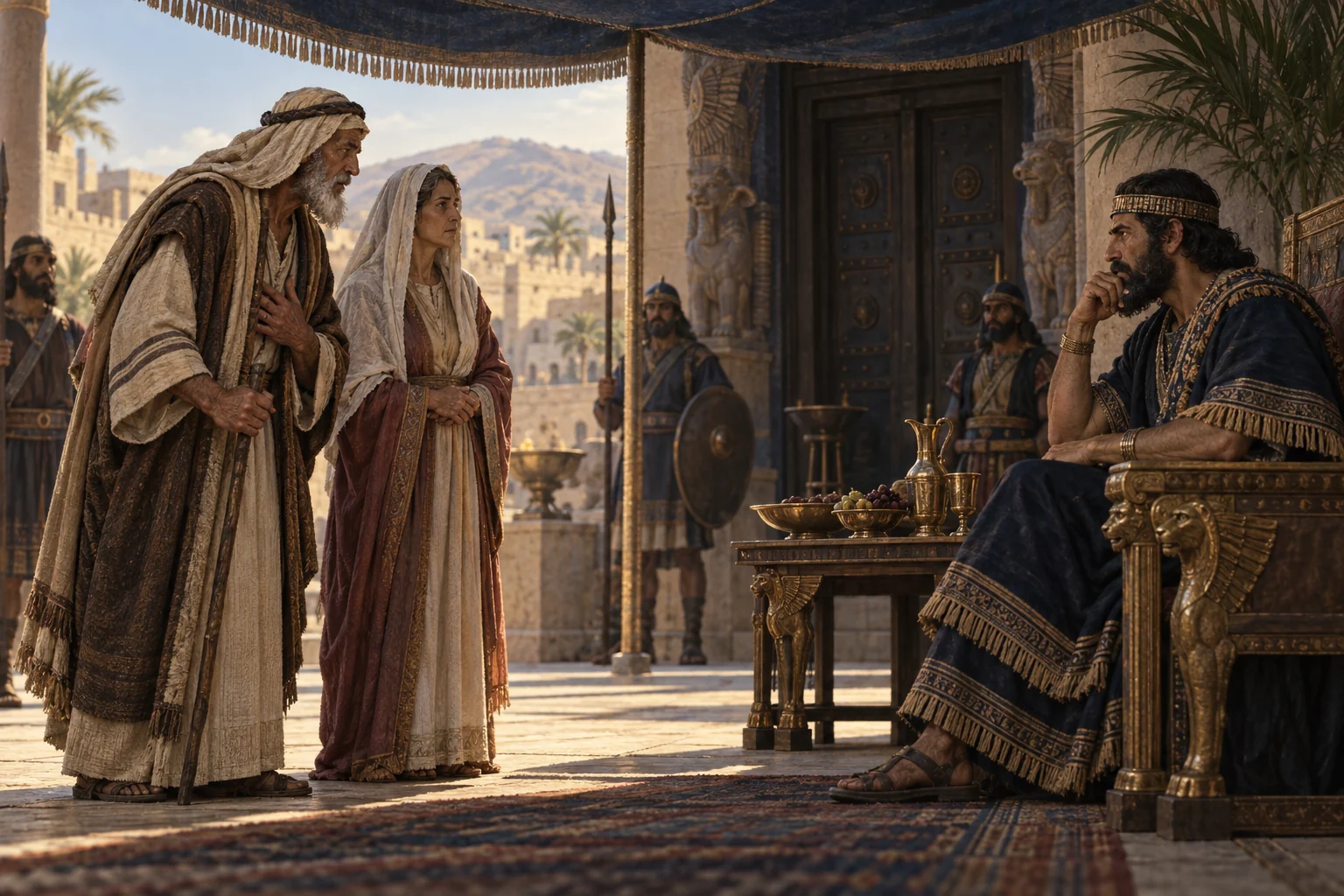
Genesis 20 is positioned at a highly critical juncture within the organically unfolding promise-plan of God. Set immediately after the destruction of Sodom and Gomorrah and just before the promised birth of Isaac, this narrative highlights the acute vulnerability of the human agents entrusted with the covenant.
Read moreShow less
What This Study Explores
Promise-Plan Theology
Direct Answer: Why does God protect Abraham’s promise after Abraham again deceives a foreign king?
The covenant’s future depends on God’s faithfulness, not the patriarch’s moral consistency. Abraham’s fear exposes Sarah and endangers the promised line, but God warns Abimelech, prevents the offense, restores Sarah, and preserves Isaac’s coming birth.
The reversal is deliberately humbling: the foreign ruler protests with moral clarity, while the chosen prophet must receive rebuke and then intercede. Election retains its mediating vocation even as the elect person is held accountable.
Key Claims
- The repeated sister-wife strategy reveals an unresolved pattern of fear rather than a harmless technical truth.
- God acknowledges Abimelech’s integrity of intention and declares that divine restraint kept him from sin.
- Abraham is first explicitly called a prophet while standing in need of correction.
- Restoration, compensation, vindication, and intercessory prayer repair the disrupted relationships.
- The closing of the household’s wombs links the episode directly to the endangered seed promise.
Interpretive Context
The chapter should not be used to excuse Abraham’s deception or treat Sarah’s vulnerability as incidental. It also resists a simple chosen-versus-pagan moral hierarchy: Abimelech can act more justly in the scene while Abraham’s covenant vocation remains grounded in grace.
Abraham’s designation as prophet is especially striking because it appears at the point of public failure. His intercession remains effective because vocation rests on God’s gracious appointment, yet the foreign king’s rebuke shows that grace does not insulate the covenant bearer from moral exposure or from learning justice through an outsider.
Selected Scholarship
- Gordon J. Wenham, Genesis 16–50 (1994).
- Victor P. Hamilton, The Book of Genesis, Chapters 18–50 (1995).
- Nahum M. Sarna, Genesis (1989).
- Kenneth A. Mathews, Genesis 11:27–50:26 (2005).
- John H. Walton, Genesis (2001).
Scripture Connections
Genesis 20; Hebrews 11:11–12; Galatians 3:16; 1 Peter 2:9; Genesis 3:1–24; Genesis 1:27
Continue on Substack
The complete article remains on Rabbit Room Apologetics at Substack.
Originally published June 11, 2026. This WordPress page is a discovery guide; the complete article is hosted on Substack.