ARTICLE GUIDE
At a Glance
The bronze altar, sanctuary court, and lamp oil in Exodus 27 are interpreted as arrangements for holy dwelling among an already redeemed people.
How does the outer sanctuary shape approach and service?
Key Claims
- The bronze altar provides the court’s central sacrificial apparatus.
- The courtyard marks the boundary of sacred space.
- Transport fittings preserve the sanctuary’s wilderness mobility.
- The lamp-oil instruction joins Israel’s contribution to continuing priestly service.
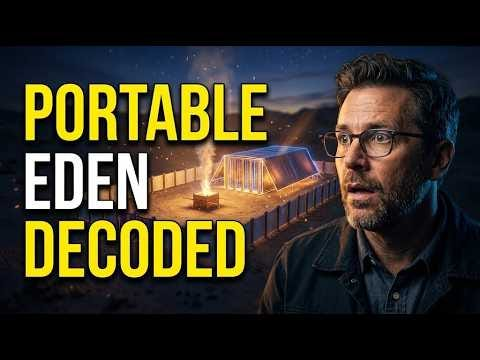
- The commentary reads the sanctuary as a portable micro-Eden within the promise-plan.
Primary Textual Anchors
- Exodus 27:1–8 — the altar and its utensils.
- Exodus 27:9–19 — courtyard boundaries and fittings.
- Exodus 27:20–21 — oil and the tending of the lamp.
- Exodus 19:4–6 — redemption and priest-nation vocation.
Scripture Connections
Exodus 27:1–8 — the altar and its utensils. Exodus 27:9–19 — courtyard boundaries and fittings. Exodus 27:20–21 — oil and the tending of the lamp. Exodus 19:4–6 — redemption and priest-nation vocation.
Selected Scholarship
- Walter C. Kaiser Jr. — the commentary’s promise-plan framework.
Related Guides
- Exodus 26: An Exegetical and Biblical-Theological Commentary
- Exodus 25: An Exegetical and Biblical-Theological Commentary
Continue on Substack
Read the complete article on Substack, with Watch and Listen resources where available.
Leave a Reply