ARTICLE GUIDE
At a Glance
Matthew 12 marks a critical turning point in the Gospel narrative, shifting from initial heraldic proclamation to overt conflict between the Messiah, Jesus, and the ruling religious establishment. Within the overarching framework of God’s promise-plan, this chapter demonstrates how the in-breaking reign of God encounters hardened national rejection.
Read moreShow less
What This Study Explores
Promise-Plan Theology • Gospel Studies
Why Does Matthew 12 Mark a Turning Point in the Gospel?
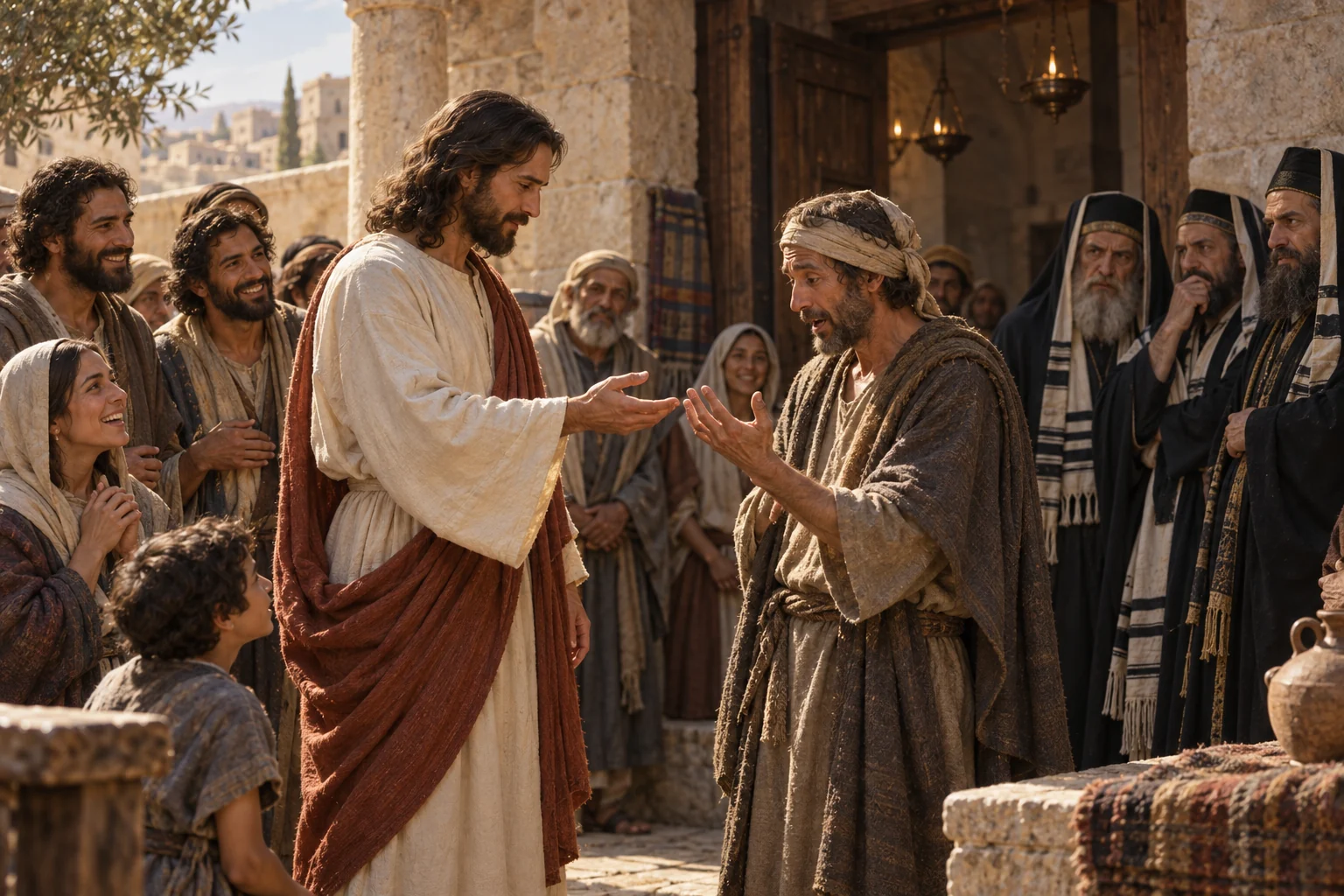
Matthew 12 brings Jesus’ earlier offer of rest into open conflict with religious leaders whose Sabbath interpretation obscures mercy. By appealing to David, priestly temple service, Hosea 6:6, and his authority as Son of Man, Jesus identifies himself as greater than the temple and Lord of the Sabbath. His healing of the man with the withered hand demonstrates that doing good and restoring an image-bearer fulfill rather than violate Torah’s purpose.
The controversy escalates from halakhic dispute to hardened rejection. Matthew identifies Jesus with Isaiah’s gentle, Spirit-anointed Servant who brings justice to the nations, while opponents attribute the Spirit’s liberating work to Satan. The chapter therefore distinguishes repentance from entrenched resistance, redefines kinship around obedience to the Father, and prepares for the parables of Matthew 13.
Key Claims
- Jesus interprets Sabbath through covenantal mercy. Human need and restorative good expose legal applications that contradict Torah’s purpose.
- Jesus embodies divine presence. His claim to surpass the temple and rule the Sabbath carries a profound Christological force.
- Isaiah’s Servant advances without coercion. Messiah’s quiet mercy fulfills Israel’s mission and extends hope to the nations.
- The Beelzebul charge reveals judicial hardening. The warning about blasphemy against the Spirit addresses knowing reversal of God’s manifest work, not an anxious believer’s accidental word.
- Messianic allegiance creates a new family. Those who do the Father’s will gather around Jesus without canceling God’s commitments to Israel.
Interpretive Context
The Sabbath controversies occur within Jewish halakhic argument, not as a simple opposition between Judaism and grace, and Jesus’ appeals to David, priestly service, mercy, and his own authority define the dispute. Likewise, the warning about blasphemy against the Spirit addresses the narrative act of persistently naming God’s liberating work satanic; it should not be detached into a trap for anxious readers or generalized from particular leaders to Israel as a whole.
The chapter belongs within Second Temple debates about Sabbath practice, purity, exorcism, messianic signs, and Israel’s restoration. Matthew’s fulfillment citation from Isaiah 42 interprets Jesus’ ministry as the promised Servant’s work, while the Jonah saying anticipates death and resurrection. Promise-plan theology holds together Torah, Israel, Messiah, and Gentile blessing without treating the conflict with particular leaders as authorization for supersessionism.
Selected Scholarship
- Davies, W. D., & Allison, D. C., Jr. (1991). Matthew 8–18.
- France, R. T. (2007). The Gospel of Matthew.
- Hagner, D. A. (1995). Matthew 14–28.
- Keener, C. S. (2009). The Gospel of Matthew.
- Kaiser, W. C., Jr. (2008). The Promise-Plan of God.
Scripture Connections
Matthew 12; Matthew 11:28–30; Isaiah 42; Hosea 6:6; Isaiah 42:1–4; 1 Samuel 21:1–6; Numbers 28:9–10; Jonah 1:17
Continue on Substack
The complete article remains on Rabbit Room Apologetics at Substack.
Originally published August 21, 2026. This WordPress page is a discovery guide; the complete article is hosted on Substack.