ARTICLE GUIDE
At a Glance
Matthew 18 constitutes the Fourth Discourse within the Evangelist’s fivefold Pentateuchal scaffolding, positioning Messiah Yeshua as the Greater Moses who authors authoritative instruction (
Read moreShow less
What This Study Explores
Biblical Theology • Canonical Interpretation • The Promise-Plan of God
What kind of community does Jesus establish in Matthew 18?
Jesus forms a covenant assembly marked by status-relinquishing humility, protection of vulnerable “little ones,” active pursuit of wanderers, restorative discipline, accountable authority, and forgiveness that reverses the violent legacy of Lamech.
The chapter joins local practices to heavenly realities: angels represent the vulnerable before the Father, binding and loosing reflects heaven’s judgment, and Messiah’s own presence dwells among even a small gathering acting in his name.
Key Claims
- Becoming like a child means relinquishing status and embracing dependence, not romanticizing innocence.
- Causing a vulnerable disciple to stumble invites severe judgment and demands radical self-examination.
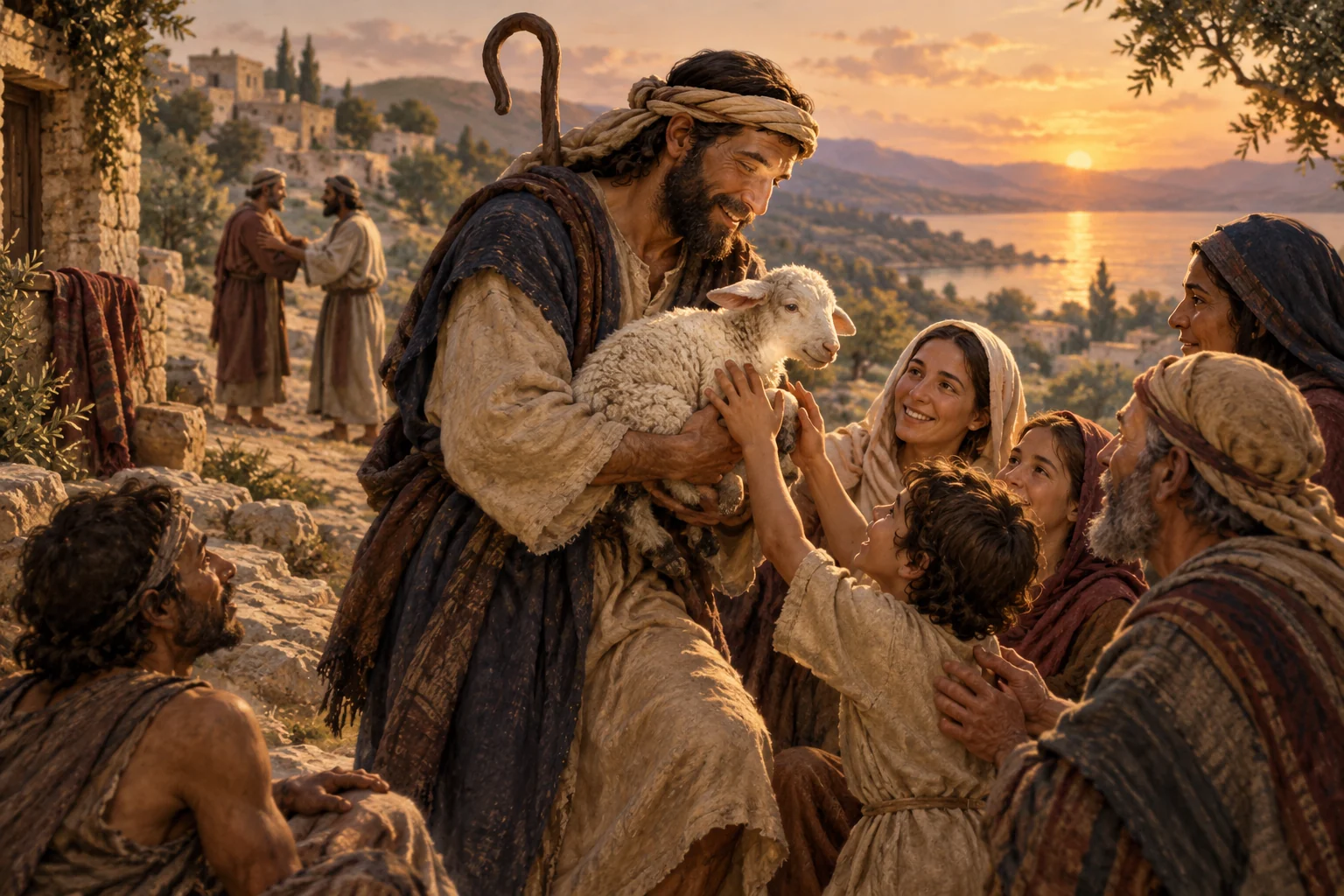
- The shepherd seeks the one wandering member because the Father does not accept expendable people.
- Matthew 18’s discipline process escalates slowly and aims at restoration rather than humiliation.
- Seventy-sevenfold forgiveness deliberately overturns Lamech’s boast of escalating vengeance.
Interpretive Context
Binding and loosing belongs to first-century Jewish halakhic and communal language. The assembly’s authority is real but accountable to Messiah’s teaching, witnesses, restorative purpose, and heavenly ratification.
The ekklēsia is Israel’s restored and expanded assembly, not a lawless replacement people. Jew and Gentile share a royal-priestly vocation within the Abrahamic promise and the presence of Immanuel.
Selected Scholarship
- R. T. France, The Gospel of Matthew (2007).
- Craig S. Keener, A Commentary on the Gospel of Matthew (1999).
- W. D. Davies and Dale C. Allison Jr., Matthew 18–28 (1997).
- Dietrich Bonhoeffer, Life Together (critical ed., 2005).
- Walter C. Kaiser Jr., The Promise-Plan of God (2008).
Scripture Connections
Matthew 18; Ezekiel 34:11–16; Luke 15:3–7; Leviticus 19:17; Deuteronomy 19:15; Matthew 16:19; Genesis 4:24; Galatians 6:1
Continue on Substack
The complete article remains on Rabbit Room Apologetics at Substack.
Originally published August 27, 2026. This WordPress page is a discovery guide; the complete article is hosted on Substack.