ARTICLE GUIDE
At a Glance
Contemporary Western evangelicalism often treats conversion as a Cartesian sequence: intellectual assent must precede any change of bodily practice. Brian Guan’s widely discussed “30 Day God Experiment,” together with pastoral commentary on the case, presses the opposite order.
Read moreShow less
What This Study Explores
Biblical Theology • Canonical Interpretation • The Promise-Plan of God
What is saving belief, and how does it become embodied allegiance?
Biblical faith includes intellectual conviction and personal trust, but it is not exhausted by either. Pistis takes public, embodied form as loyalty to the risen King, producing practices consistent with the kingdom announced in the gospel.
Allegiance does not replace grace or become a second meritorious instrument of justification. It names the lived shape and fruit of trust when believers are united to Messiah and empowered by the Spirit.
Key Claims
- The biblical languages of faith include trust, reliability, fidelity, and loyal commitment.
- The gospel is a royal announcement about Jesus’ death, resurrection, enthronement, and universal lordship.
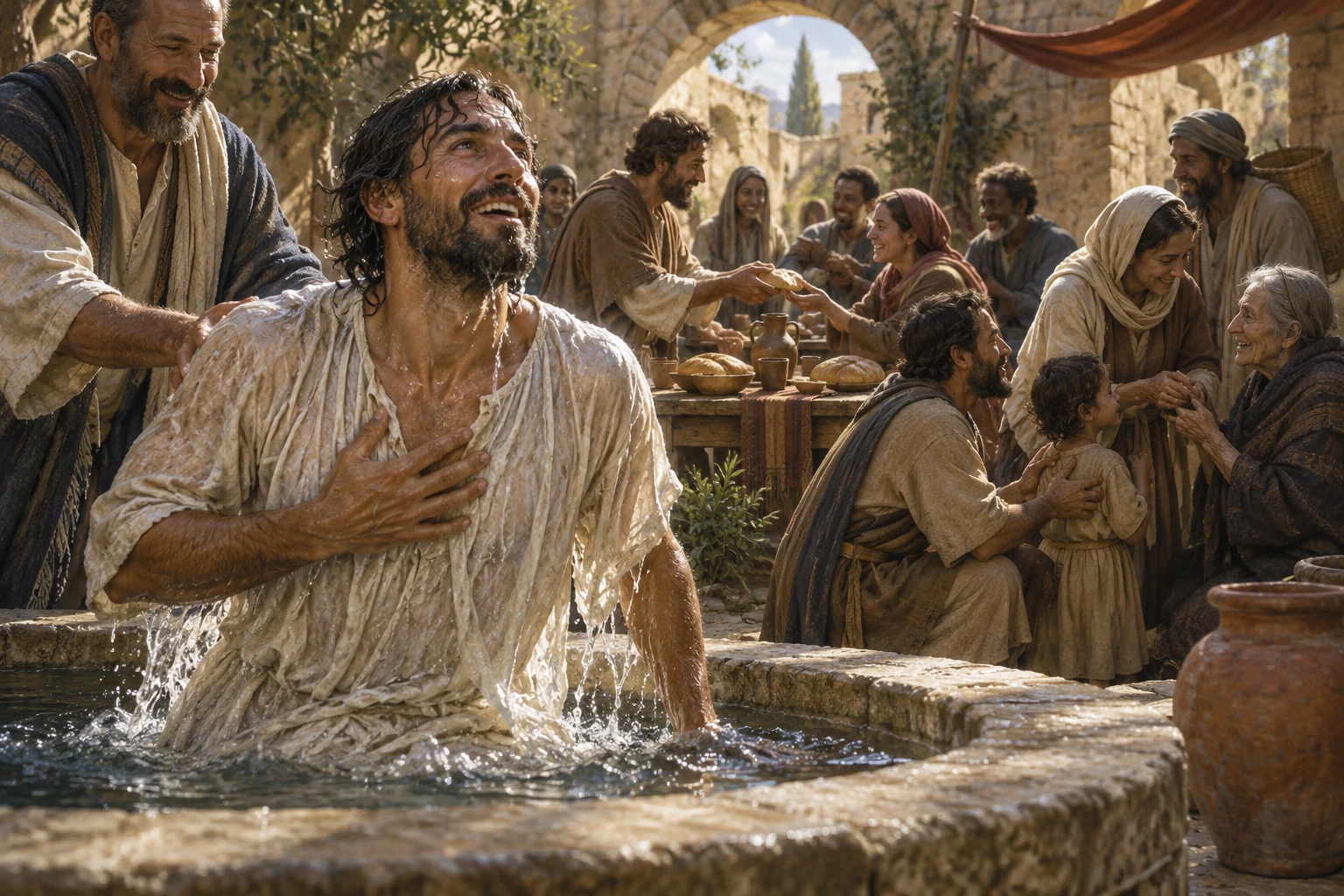
- Baptism and confession publicly locate the believer under Messiah’s rule.
- Good works vindicate living faith without purchasing the justifying verdict.
- Formation must engage habit, body, community, imagination, and moral perception rather than cognition alone.
Interpretive Context
The essay evaluates allegiance language carefully against Protestant concerns about works-righteousness. Monergistic acceptance precedes and grounds synergistic participation in sanctification.
Within the promise-plan, Abraham’s trust, Israel’s vocation, Davidic kingship, and new-covenant obedience converge in Jesus. Gentile allegiance joins Israel’s Messiah without erasing Israel’s identity.
Selected Scholarship
- Matthew W. Bates, Salvation by Allegiance Alone (2017).
- John M. G. Barclay, Paul and the Gift (2015).
- Michael J. Gorman, Becoming the Gospel (2015).
- N. T. Wright, Paul and the Faithfulness of God (2013).
- Walter C. Kaiser Jr., The Promise-Plan of God (2008).
Scripture Connections
Genesis 3; Jeremiah 31; Ezekiel 36; Deuteronomy 6; Romans 1; John 16; John 7
Continue on Substack
The complete article remains on Rabbit Room Apologetics at Substack.
Originally published August 28, 2026. This WordPress page is a discovery guide; the complete article is hosted on Substack.