TOPIC HUB
Ethics & Culture
Recover Christian moral reasoning within covenant allegiance, the kingdom of God, embodied discipleship, and love expressed as active justice.

Questions This Hub Explores
- How does Scripture form moral agents rather than merely list rules?
- What does kingdom allegiance require in public and private life?
- How do creation, Torah, Messiah, and Spirit shape Christian ethics?
FOUNDATIONAL STARTING POINTS
Begin with These Studies

April 21, 2026
The Providential Necessity of Adam’s Fall: Covenant Solidarity, Priestly Duty, and the Redemptive Plan
Adam's transgression in Genesis 3 is traditionally understood as a simple act of disobedience that resulted in humanity's disastrous expulsion from divine favor.¹ While this foundational perspective highlights human moral…
Open article guide →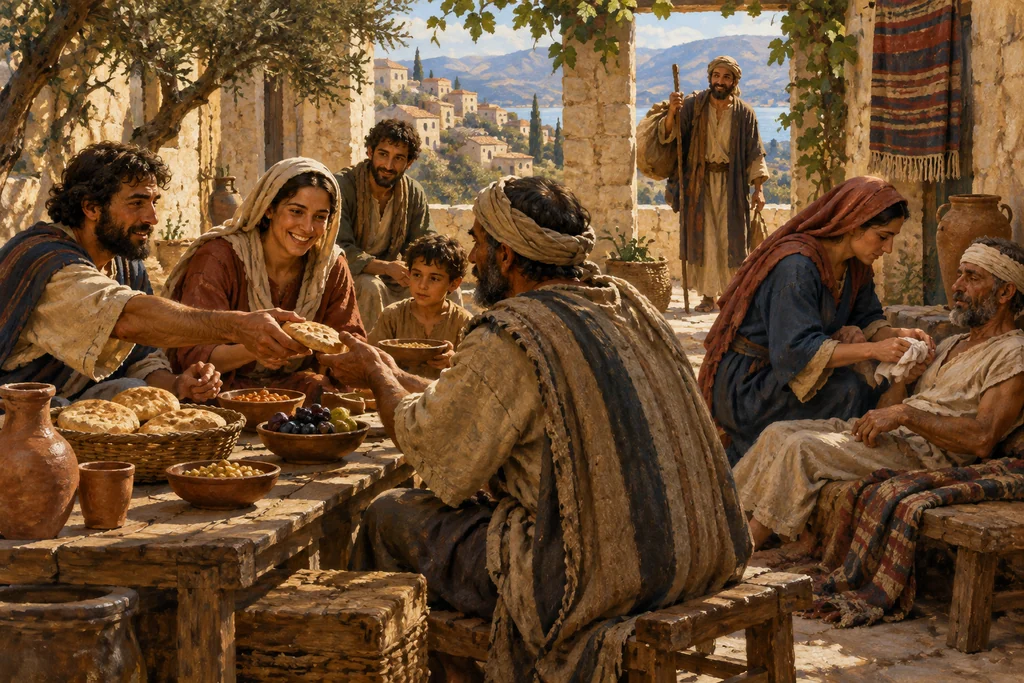
April 23, 2026
The Historical Reality of the Kingdom of God and the Praxis of Christian Ethics
The kingdom of God is a tangible, present reality characterized by deliverance, peace, and justice, requiring active human participation. Jesus of Nazareth stepped into the dust of Roman-occupied Palestine with…
Open article guide →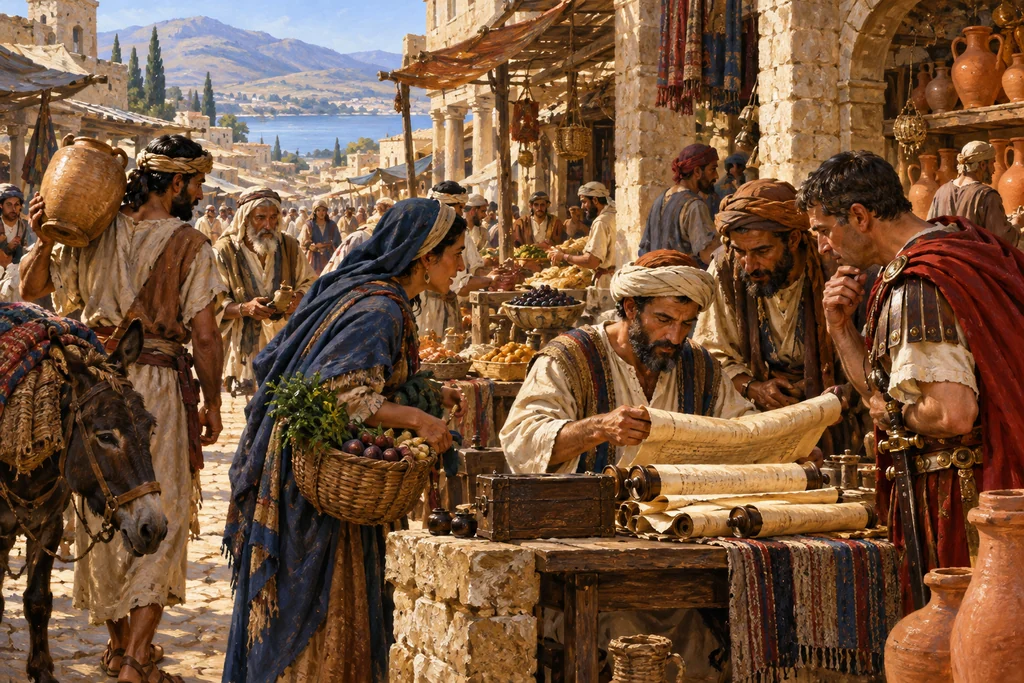
April 25, 2026
The Linguistic Landscape of First-Century Palestine
The sociolinguistic environment of first-century Palestine was a highly complex and multilingual world. Traditional portrayals often envision Jesus of Nazareth in an isolated rural setting; however, historical and archaeological records…
Open article guide →CONTINUE EXPLORING
Newest Article Guides
October 14, 2026
Defining Christian Freedom: Law, Gospel, and the Teleological Recovery of Human Liberty
Christian freedom is examined as deliverance from sin for Spirit-enabled love and service, challenging the assumption that fewer moral boundaries necessarily produce greater liberty.
Open article guide →
October 13, 2026
The Ontological Foundations of Human Dignity: A Biblical-Theological and Philosophical Refutation of “Speciesism”
The essay defends intrinsic human dignity against capacity-based personhood while grounding compassionate animal care and stewardship in the image of God.
Open article guide →
October 13, 2026
Salt, Light, and Good Deeds: The Triadic Public Witness of the Believing Community within the Promise-Plan of God
Matthew 5:13–16 is read as a triad of salt, light, and good deeds, describing a distinct, visible, and practically faithful community.
Open article guide →
October 6, 2026
The Architecture of Kingdom Law
The essay reads Matthew 5–7 as covenantal instruction embodied and authoritatively interpreted by Jesus. Its analysis of Matthew 5:17–20 challenges a simple opposition between law and grace, locating kingdom righteousness…
Open article guide →
October 6, 2026
Restorative Justice and the Kingdom Ethic
This essay argues that biblical justice seeks the healing of injured relationships and the vindication of the vulnerable. It reads restorative justice through the Sermon on the Mount, emphasizing victim…
Open article guide →
September 29, 2026
Grace, Law, and the Myth of Ethical Anemia
This study answers the antinomian objection by reconnecting justification by faith with union with Christ, Spirit-empowered allegiance, and Torah-shaped kingdom ethics.
Open article guide →
September 23, 2026
Gender, Metaphysics, and the Divine Icon
A theological anthropology of sexed embodiment, the imago Dei, soul-body unity, marriage typology, Christological particularity, and the promise-plan.
Open article guide →
September 23, 2026
Decoding the Beatitudes
The Beatitudes announce a Jubilee people formed inwardly in the heart and outwardly for mercy, justice, peacemaking, and faithful kingdom witness.
Open article guide →
September 22, 2026
The Markan Kaleidoscope: Apocalyptic Combat, Hidden Glory, and the Parabolic Inbreaking of the Kingdom within the Promise-Plan of God
Mark’s Strong, Hidden, and Suffering Messiah converge in parables that reveal God’s kingdom advancing through secrecy, vulnerability, and promised harvest.
Open article guide →
September 22, 2026
Exegeting the Apostle of Liberty: Paul, Second Temple Judaism, and Female Authority
Paul’s statements about women are read within Second Temple Judaism, Roman social conditions, epistolary context, and the shared vocation of image-bearing co-heirs.
Open article guide →
September 19, 2026
Proclaiming the Inbreaking Reign: Homiletical Decisions, Canonical Integrity, and the Theological Referent in Jesus’ Parables
Jesus’ parables proclaim the active, inbreaking reign of God rather than functioning merely as literary puzzles, moral illustrations, or worldview-disrupting metaphors.
Open article guide →
September 19, 2026
The Ethical Reign of God and the Re-Engineering of Soteriology: Albrecht Ritschl’s Liberal Theology in Canonical, Historical, and Biblical-Theological Perspective
Albrecht Ritschl recast salvation around the ethical Kingdom of God, practical value judgments, and humanity’s organization through love after Kant’s critique of metaphysics.
Open article guide →