ARTICLE GUIDE
At a Glance
The question of human origins and identity continues to generate significant epistemological and exegetical tension within contemporary theology. Western systematic theology has historically struggled to articulate a coherent anthropology, partly due to the influence of post-biblical philosophical systems such as Greek analytical reasoning and Enlightenment rationalism, which have imposed external categories upon the biblical text.
Read moreShow less
What This Study Explores
Promise-Plan Theology • Imago Dei • Theological Anthropology
Direct Answer: What is the human quest if people are embodied images rather than souls trapped in bodies?
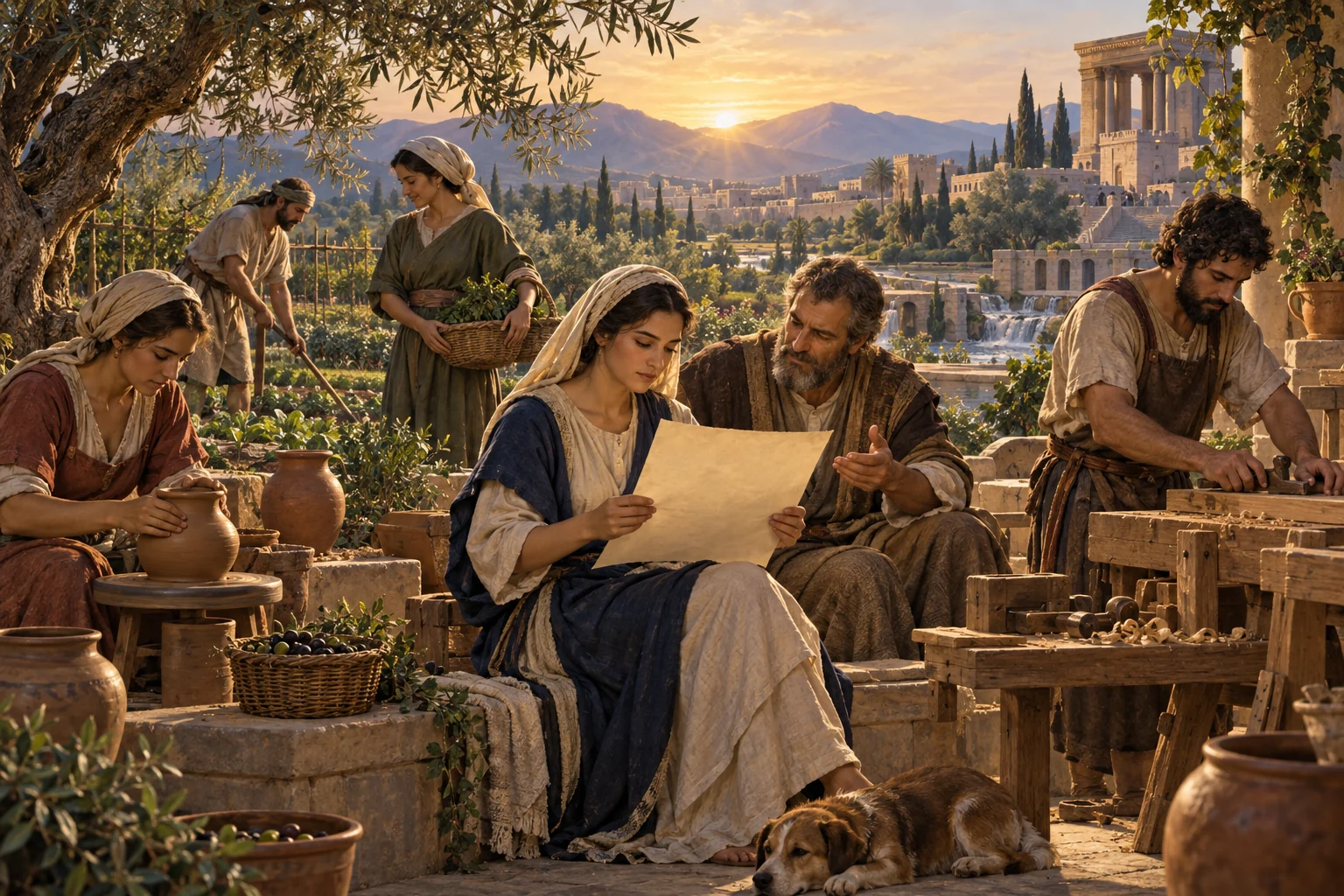
The human quest is to grow in wisdom as embodied representatives of God—learning to order relationships, work, worship, and creation toward faithful communion. Identity begins with a bestowed status, while maturity is the practiced vocation that flows from it.
This vision rejects both physicalist reduction and body-denying dualism. Jesus embodies true humanity, and the promise-plan aims toward resurrection and renewed creation, where image-bearing reaches its communal and royal-priestly fulfillment.
Key Claims
- Human dignity rests in God’s designation, not in intelligence, memory, autonomy, or usefulness.
- Biblical persons are integrated embodied lives rather than immortal selves merely occupying disposable bodies.
- Wisdom is skill in faithful creaturely living under God’s order.
- Sin damages vocation and relationships without eliminating the image or converting matter into evil.
- Incarnation and bodily resurrection confirm that salvation restores embodied humanity rather than abandoning creation.
Interpretive Context
The article critiques strongly dualistic appropriations of Greek philosophy, but Greek thought and historic Christian anthropology are diverse. A Hebraic emphasis on integrated embodiment can coexist with serious reflection on the intermediate state, provided final hope remains bodily resurrection and new creation.
Embodied wisdom also joins anthropology to eschatology. If humans are royal-priestly creatures commissioned within sacred space, then resurrection is not merely survival after death but the restoration of persons to communal, creational service under the Last Adam, with the intermediate state remaining provisional rather than the goal of redemption.
Selected Scholarship
- Carmen Joy Imes, Being God’s Image (2023).
- J. Richard Middleton, The Liberating Image (2005).
- N. T. Wright, The Resurrection of the Son of God (2003).
- Joel B. Green, Body, Soul, and Human Life (2008).
- Michael S. Heiser, The Unseen Realm (2015).
Scripture Connections
Genesis 1; Genesis 1:26–27; Genesis 1:26; Genesis 3; Genesis 6:1–4; Genesis 11; Genesis 1:1–2
Continue on Substack
The complete article remains on Rabbit Room Apologetics at Substack.
Originally published June 19, 2026. This WordPress page is a discovery guide; the complete article is hosted on Substack.